Al-Saed Panel Cladding for Kitchens:
Innovation in every layer
Al-Saed Panel Cladding in the lightweight thickness category offers a modern and cost-effective solution for kitchen wall coverings, focusing on easy installation, moisture resistance, and simple cleaning in interior environments.
Technical Specifications:
-
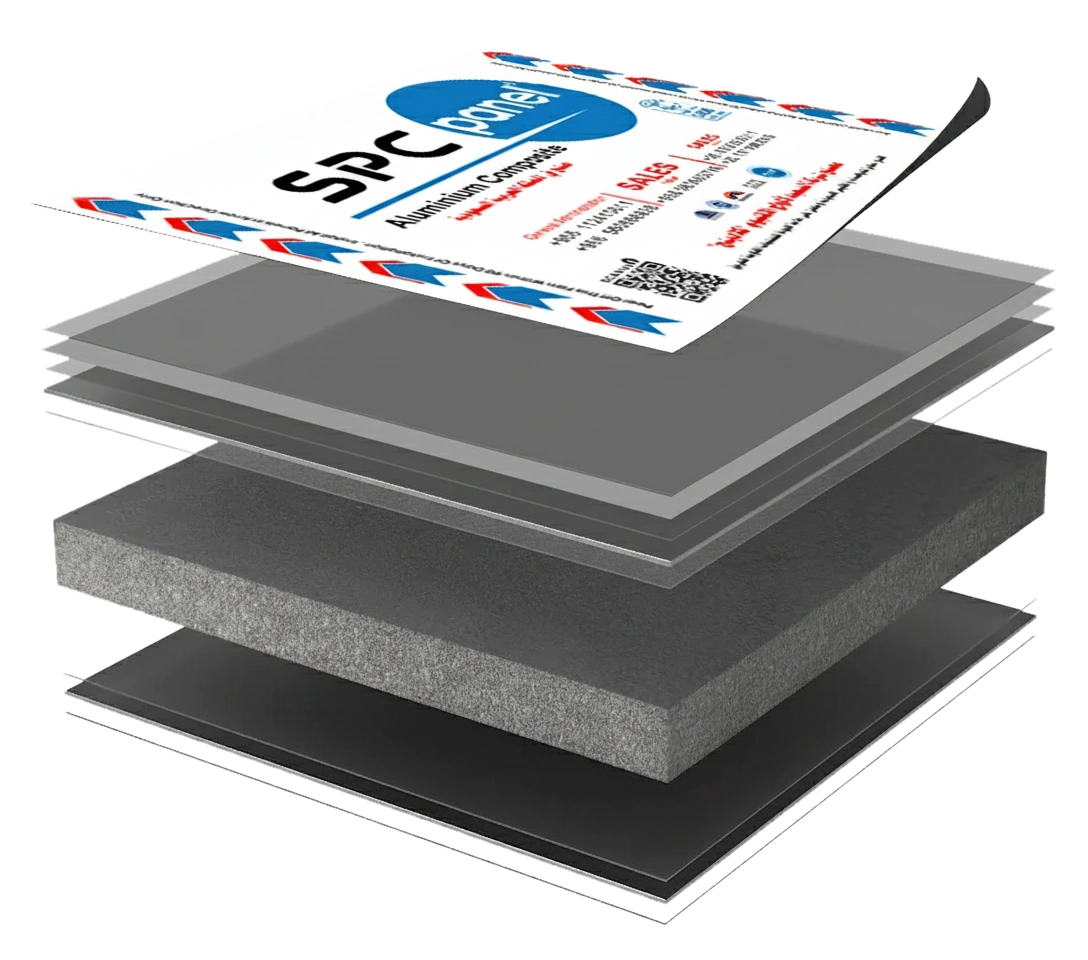
Total panel thickness: 2 to 3 mm, providing an ultra-lightweight solution that allows for quick and simple installation on interior walls, reducing the need for complex support structures.
-
Aluminum layer thickness: 0.25 to 0.30 mm, offering sufficient rigidity for interior use and resistance to peeling while maintaining cost efficiency.
-
Inner core (LDPE – Low-Density Polyethylene): Provides the panel with flexibility for shaping, easy cutting, and dimensional control.
-
High-quality coating: Ensures excellent resistance to moisture, cooking steam, and grease stains, keeping the kitchen looking fresh and new.
Technical Advantages:
-
Easy cleaning: The smooth, non-porous surface is ideal for areas behind stoves and sinks, allowing grease and stains to be wiped off quickly and effectively.
-
Light insulation: Provides light thermal and acoustic insulation compared to traditional tiles.
-
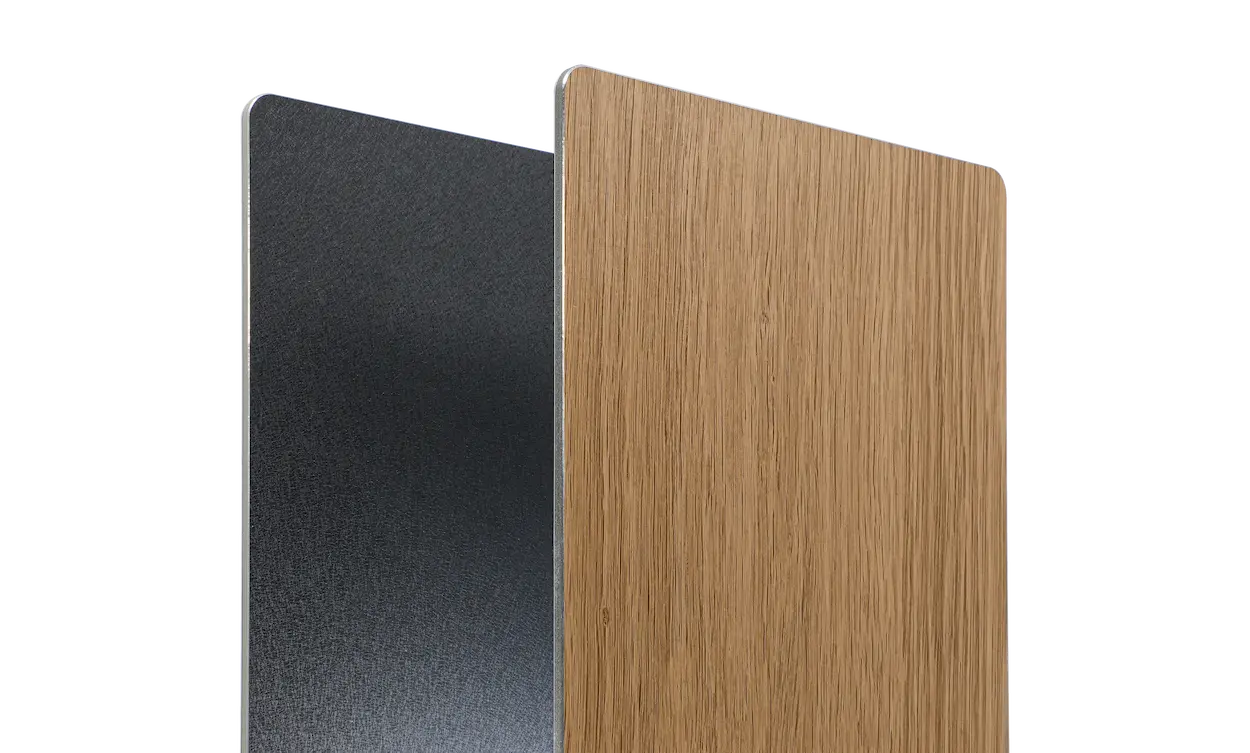
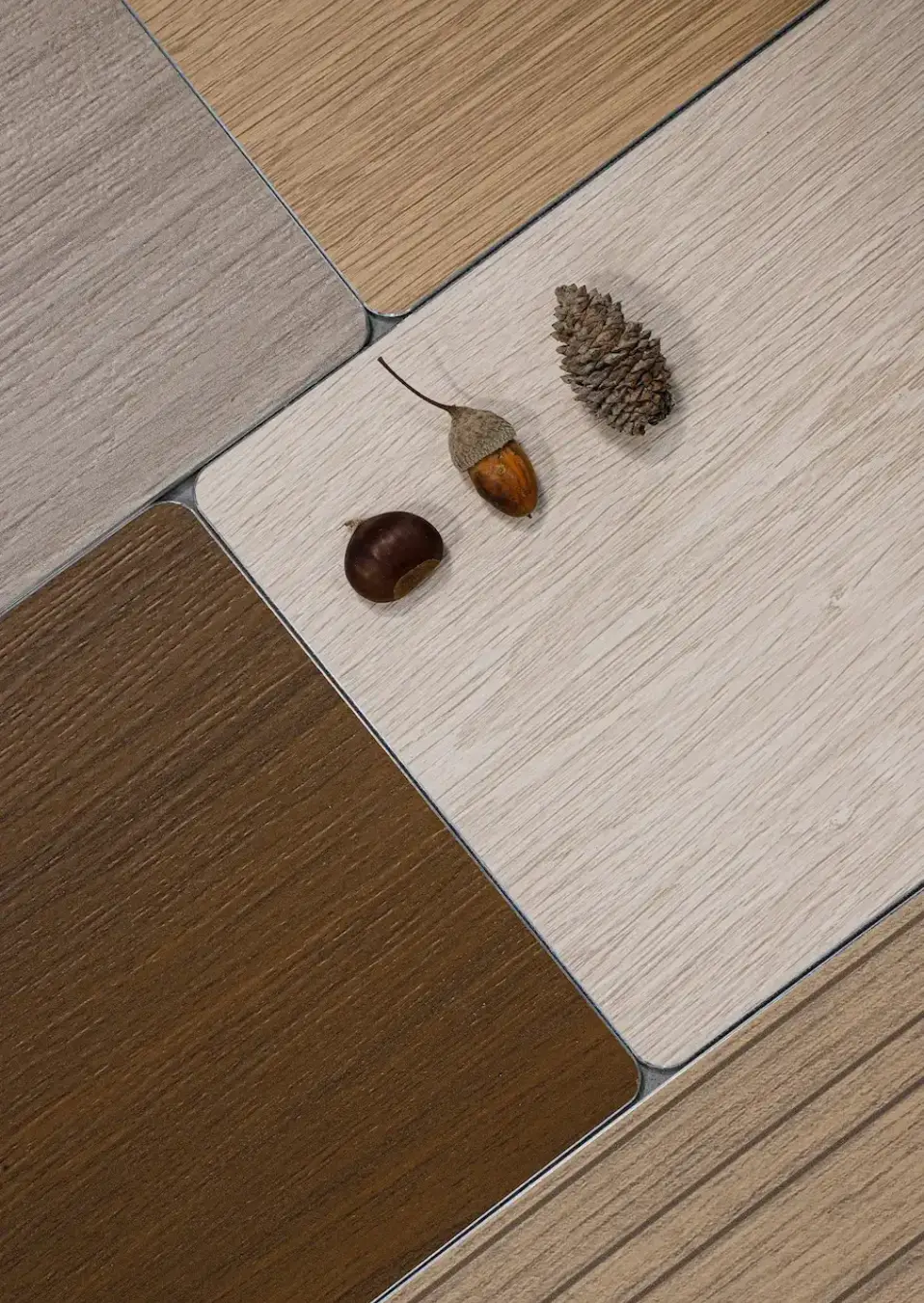
Instant design: Offers a wide range of colors and patterns (marble, wood, metallic) for a quick and transformative kitchen renovation.
More than a panel, an architectural
revolution
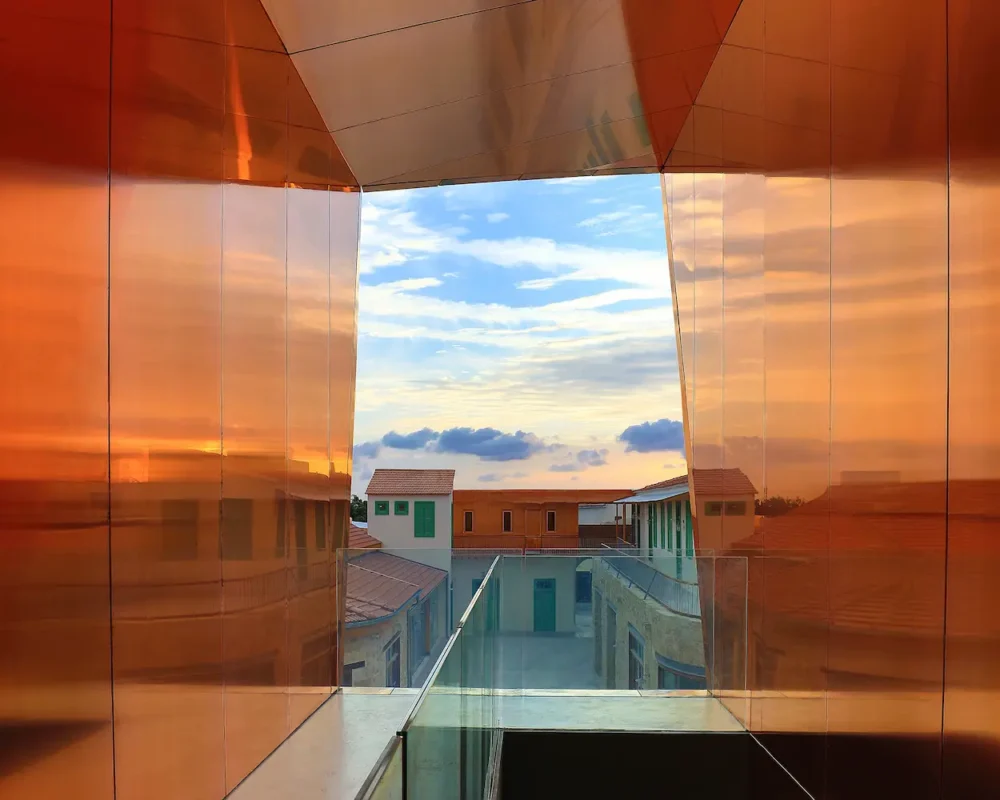
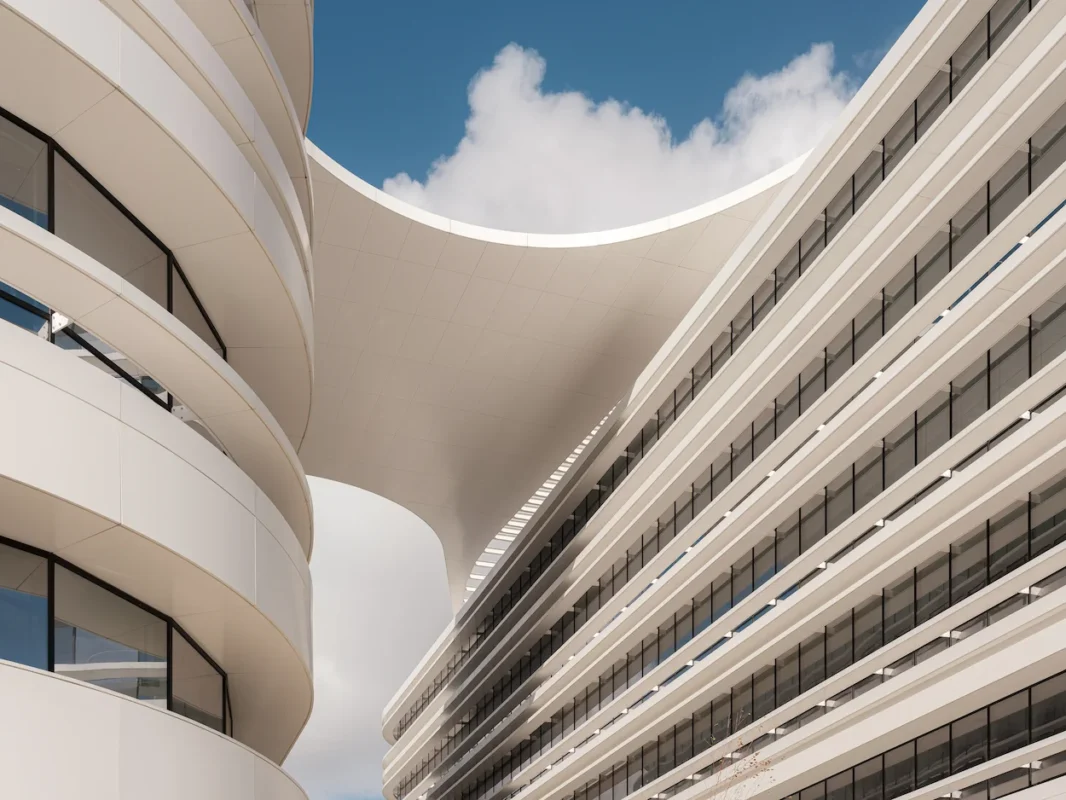
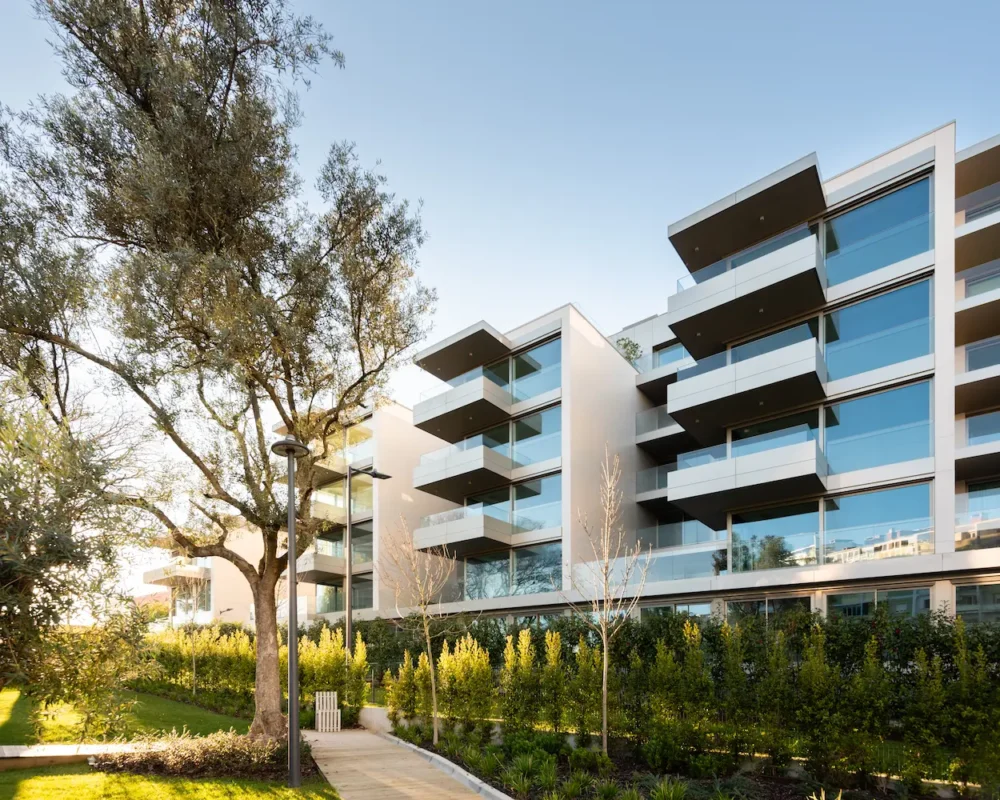
Designed specifically for implementation in ventilated façades, SPC panels offer outstanding fire resistance, exceptional energy efficiency and a wide range of innovative finishes. This combination makes SPC the preferred choice for commercial, institutional and residential building projects that seek energy efficiency, durability and aesthetic design.
Advantages of our
Aluminium composite panels
SPC panels are lightweight compared to other cladding materials, which facilitates transport and installation and is a great advantage for the rehabilitation of load-sensitive façades by reducing the load on the building structure.
FR panels are fire-retardant and do not release flaming droplets. A2 panels are non-combustible and also do not release flaming droplets.
Both types improve fire safety in ventilated façades by helping to contain the spread of flames.
With protective coatings specifically designed to withstand discoloration caused by prolonged sun exposure, SPC panels retain their aesthetic appearance and vibrant colours over time.
These panels are designed to withstand loads applied in various directions without easily deforming or breaking. This makes them ideal for façade applications where resistance to bending forces is required due to adverse weather conditions or manipulation during installation.
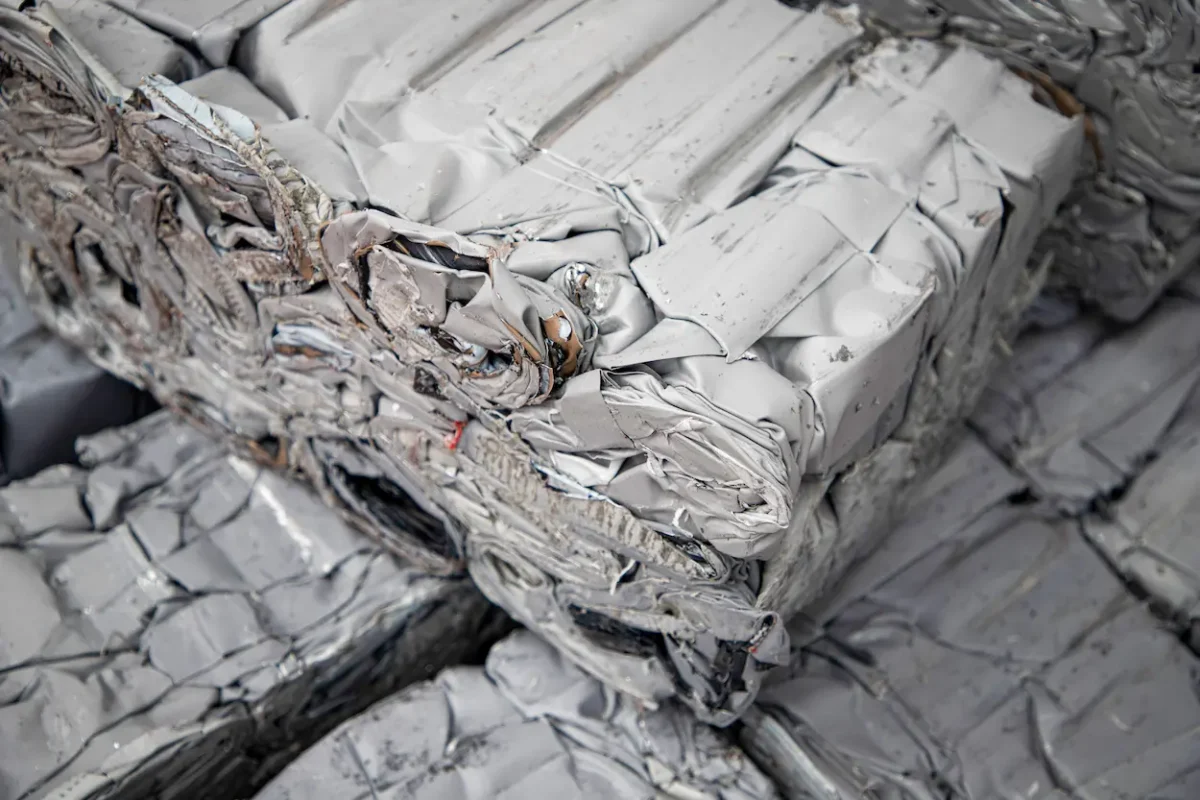
SPC panels has implemented a system for recycling and reusing the waste generated in the manufacture and installation of aluminium panels, reincorporating both the core and the aluminium to the production process, thus promoting the circular economy and reducing the environmental footprint.
The air space between the exterior and wall cladding acts as a thermal buffer, reducing heat loss in winter as well as heating of the building in summer, thus contributing to a more comfortable interior temperature and significantly improving the energy efficiency of the building.
The multi-layer structure of these panels, together with the air space between the façade and the wall act as an acoustic barrier, reducing the transmission of noise from the outside to the interior of the building, thus improving comfort in interior spaces.
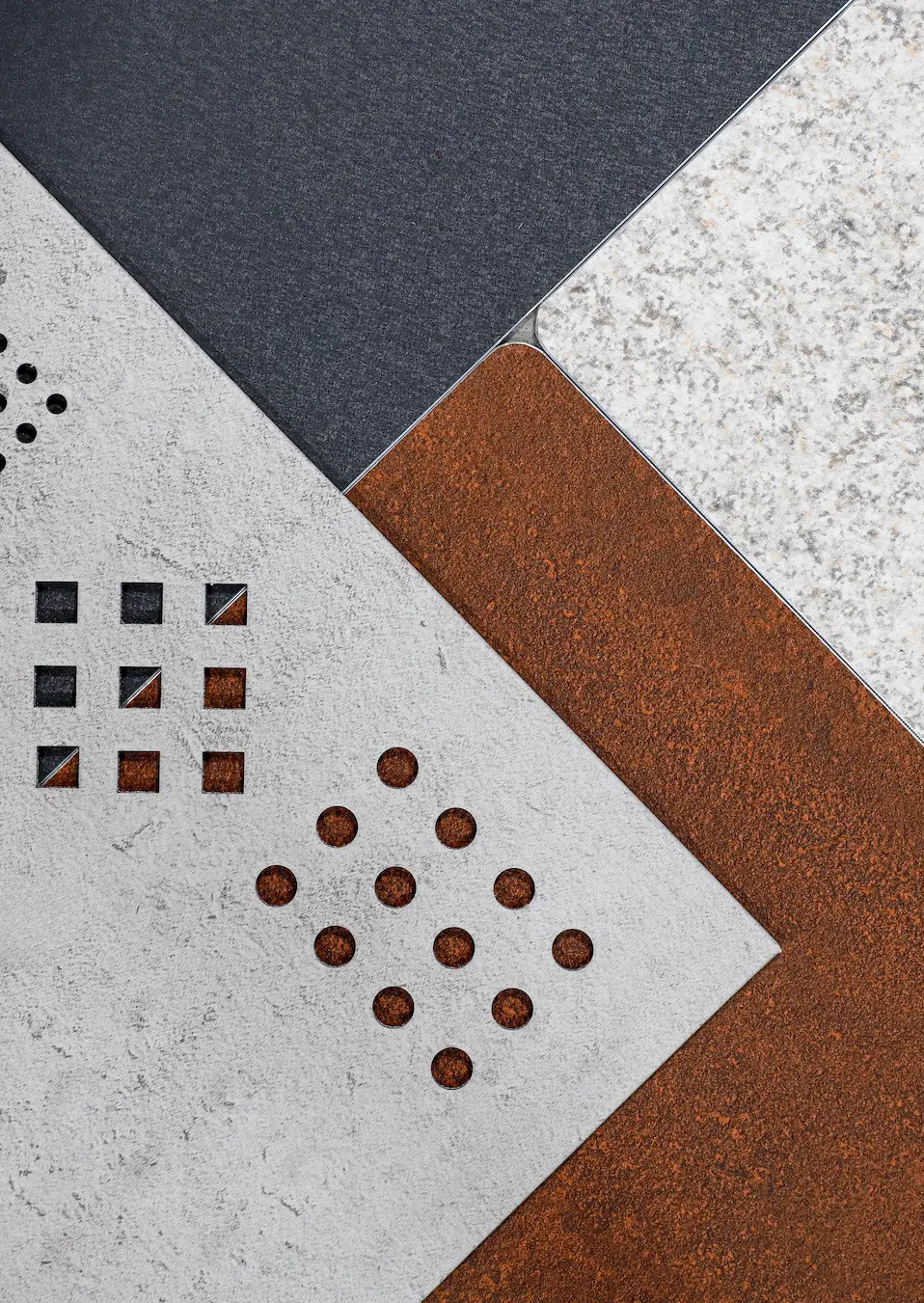
At SPC we offer a wide range of colours, shines and textures. In addition, in our colourimetry laboratory, we can get any RAL, PANTONE or NCS colour, or generate special contracted finishes from a physical sample.
Thanks to our state-of-the-art technology in the PVDF 70/30 paint application, we guarantee uniform coverage and optimal adhesion, ensuring maximum resistance to aging, maximum UV protection and excellent performance when machining and shaping the panel. Furthermore, at SPC , we do not use chromium in any of our pre-treatment or painting processes, continuing our commitment to quality and the environment.
Discover how our finishing collections elevate your projects to a new level of excellence and distinction.
Beyond aluminium
Al Saeed cladding panel is made of aluminum sheets reinforced with an internal fire-resistant layer, providing you with the perfect balance of safety and quality.
Broadening horizons
Large panels for your project
At Al Saeed Panel, we offer the possibility of manufacturing custom sizes starting from 200 meters, while maintaining the standard width ranging between 124 cm and 150 cm to ensure quality and compatibility.
Turning ideas into reality
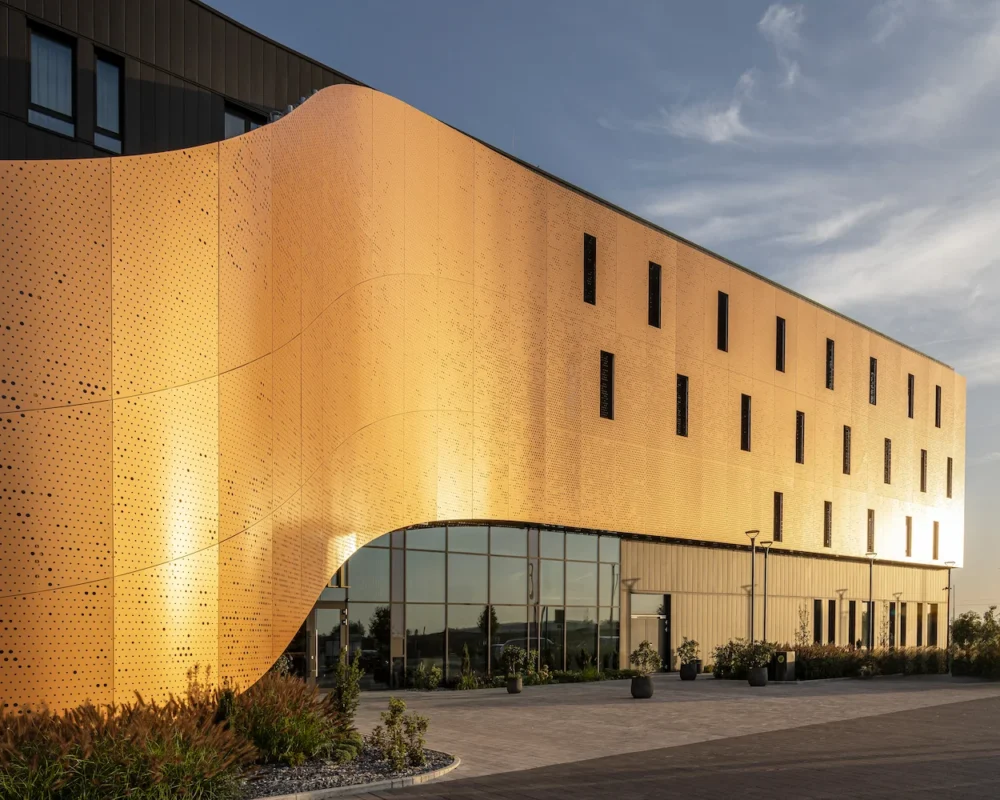
ALSAEED panels are easy to shape, allowing engineers and designers to create inspiring, unique, and customized façades.
Our factory provides all panel manufacturing processes, such as primary cutting, bending, curving, edge folding, corner shaping, perforation, and forming — giving façades elegance, flexibility, and creativity.
Recycling and Energy Efficiency
for a Sustainable Future
At SPC , our commitment to sustainability is manifested in concrete actions. We give a new life to the aluminium composite panel, promoting a circular economy through recycling, separation and reuse of their components. This not only makes the SPC panel an eco-friendly option, but also actively contributes to sustainable construction goals.
We support our practices with environmental product declarations and zero waste certificates. Through our SPC Recycling service, we offer our customers a collection system of scraps on site, which are subsequently recycled, thus reducing the associated carbon footprint.
In addition, we collaborate in improving the energy efficiency of the building stock. Most of the aluminium composite panels we produce are intended for ventilated façades, an exterior enclosure construction solution that reduces the energy demand of the building by more than 30%.
In this sense, numerous constructions that incorporate SPC composite panels have already obtained LEED and BREEAM certifications, reaffirming their commitment to sustainability and the preservation of the environment.
Quality
certified
SPC processes are subject to rigorous testing and quality control, both internally in our laboratories and externally through audits carried out by the most prestigious construction institutes in the different countries where we are certified.